
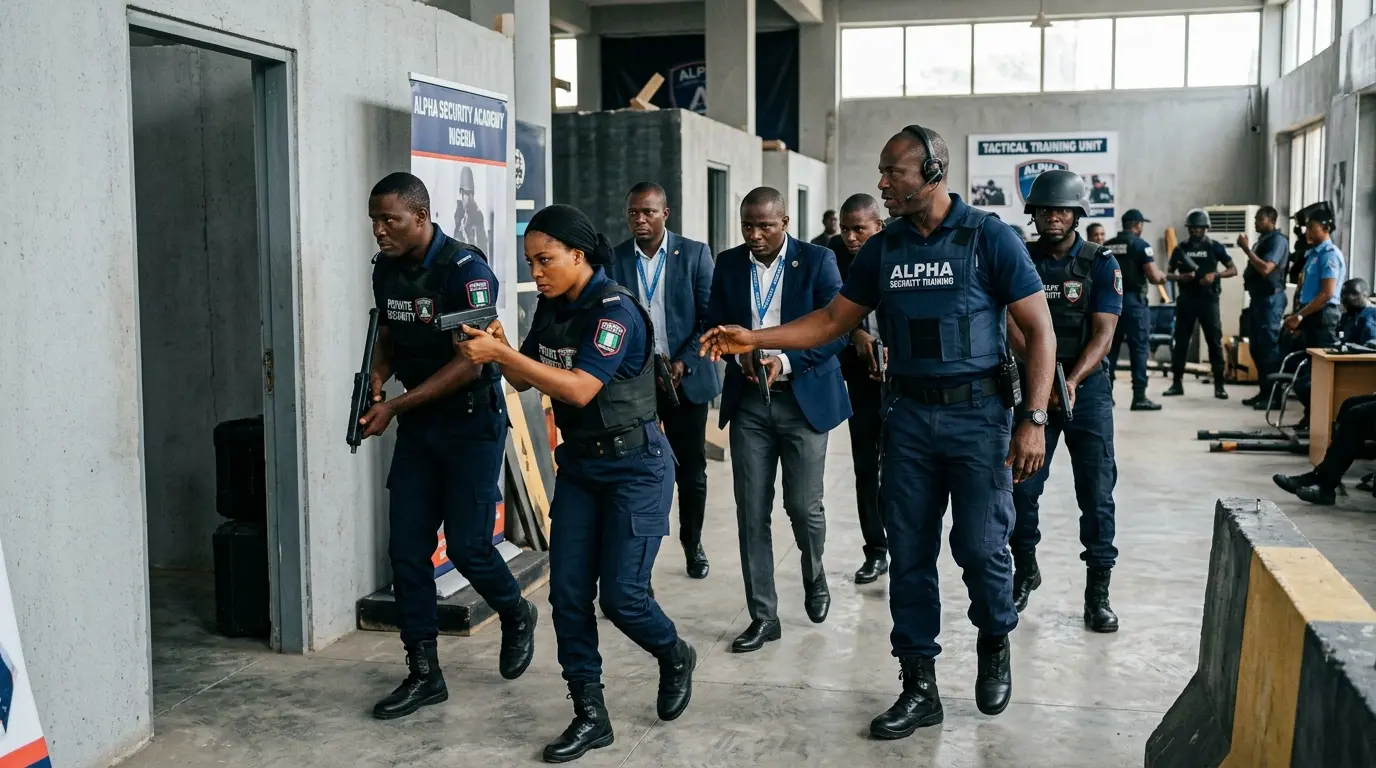
In many organisations, security still leans heavily on visibility.
Uniforms are present. Personnel are stationed. Systems appear to be in place.
But when pressure rises, one question matters above all else.
Are the people responsible for safety truly prepared?
Because in reality, security is not tested when everything is calm. It is tested in moments of uncertainty, speed, and decision-making.
And as the street would say:
“If wahala show and everybody dey look each other, na that time you go know say training never happen.”
It may sound blunt, but it captures a truth many organisations overlook.
What Training and Capacity Building Really Mean
Training is often misunderstood as a one-off activity.
A workshop. A briefing. A checklist exercise.
Capacity building goes further.
It is a continuous, structured process designed to improve:
- Personnel readiness
- Situational awareness
- Decision-making under pressure
- Response coordination
- Adaptability in dynamic environments
It is not about ticking boxes. It is about building competence that holds under stress.
Why Readiness Cannot Be Assumed
Experience alone is not enough.
Personnel may have years on the job, but without structured training, those years can reinforce habits rather than sharpen skills.
In a fast-changing environment like Nigeria:
- Threat patterns evolve
- Tactics shift
- Operational demands increase
Without regular training, even experienced personnel can become outdated.
From Reaction to Anticipation
Untrained teams react.
Trained teams anticipate.
That distinction is critical.
Training equips personnel to:
- Identify early warning signs
- Recognise unusual behaviour
- Take preventive action before escalation
It shifts security from a reactive posture to a proactive one.
“The difference between panic and control is often just training.”
Building Confidence That Shows Under Pressure
One of the most visible outcomes of proper training is confidence.
Not arrogance, but clarity.
Personnel who are well-trained:
- Communicate effectively
- Act decisively
- Coordinate seamlessly with others
In contrast, poorly prepared teams hesitate, overlap roles, or freeze entirely.
And in critical moments, hesitation carries consequences.
Training as a System, Not an Event
Effective capacity building is structured.
It includes:
- Scenario-based simulations
- Regular drills and refreshers
- Role-specific training modules
- Performance reviews and feedback loops
It is continuous, evolving alongside the risks it is designed to address.
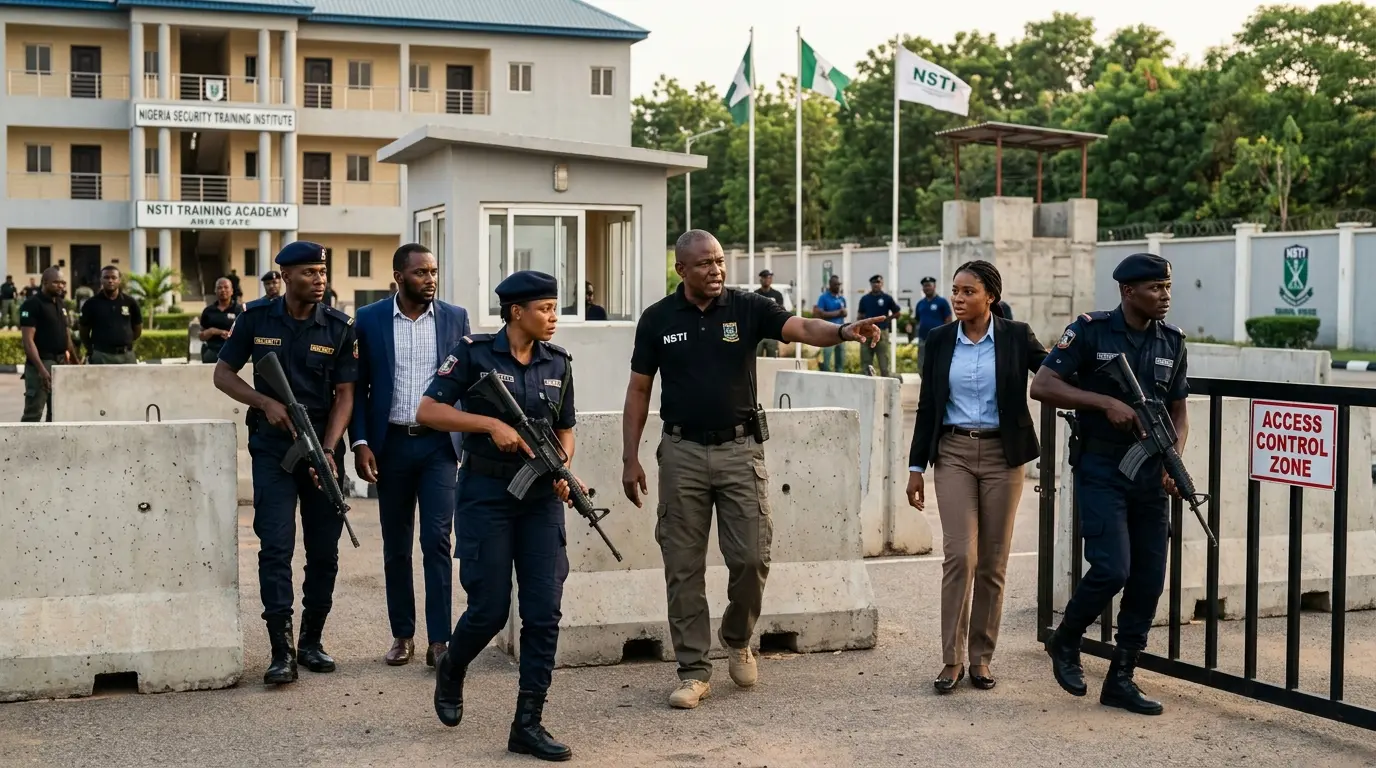
Extending Beyond Security Teams
Training should not be limited to security personnel alone.
Executives, administrative staff, and operational teams all play a role in organisational safety.
Awareness at every level strengthens the entire system.
Because security gaps often emerge not from failure of guards, but from lack of awareness among everyone else.
Closing Reflection
In high-risk environments, preparation is the only reliable advantage.
Training and capacity building turn intention into capability. They ensure that when situations arise, responses are not improvised but informed.
Because at the end of the day, security is not proven by how things look.
It is proven by how people perform.